Earthquake Gas Shutoff Valves in Tustin, CA
A valve that closes your gas automatically on significant ground motion. What it does, what it does not, and how requirements work here. 92780, 92782 and North Tustin 92705.
A seismic gas shutoff valve closes the gas supply automatically when ground motion exceeds a set threshold. Installation typically runs $400 to $1,200 in Tustin. The valve must be an approved listed type, and whether one is required depends on your jurisdiction and the work being done, so confirm rather than assume.
What it does, and what it does not
Worth being precise, because these are sometimes sold with claims they do not support.
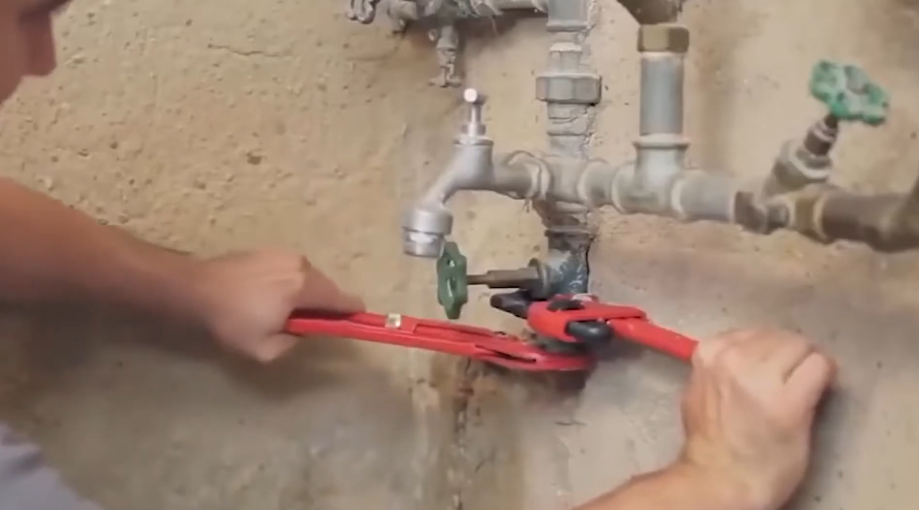
A seismic gas shutoff valve sits on the gas line, typically at or near the meter, and contains a mechanism that responds to ground motion. When shaking exceeds the valve’s threshold, the mechanism trips and closes the gas supply to the building. It is entirely mechanical, needs no power, and stays closed until someone resets it manually.
What it protects against
The specific hazard is a post earthquake gas leak feeding a fire. Ground motion can break rigid gas piping, shear a connection, or displace an appliance and pull its connector. If gas keeps flowing into a damaged building, an ignition source finds it. Shutting the supply automatically, immediately, removes the fuel while nobody is there to close the manual valve.
What it does not do
- It does not detect gas. It responds to shaking, not to a leak. A slow leak from a corroded joint on an ordinary day will not trip it.
- It does not protect the piping inside the house. Damage still happens; the valve limits what follows.
- It does not reset itself. After it trips you have no gas until it is reset, which means no hot water, no cooking, and no heat. Learn where it is and how to reset it before you need to.
- It is not a substitute for knowing your manual shutoff. You should still know where the manual valve at the meter is and how to close it.
There is a related but different device: an excess flow valve, which responds to a sudden large increase in flow rather than to shaking. Confirm which one is being quoted, because they address different failure modes.
Is one required on your property?
The honest answer is that it depends, and this is an area where confident wrong answers are common.
Requirements for seismic gas shutoff valves in California are set at the jurisdiction level rather than uniformly statewide, and they are frequently tied to particular triggers: new construction, certain alterations above a value threshold, or specific property types. Some jurisdictions require them broadly, others not at all.
What is consistent is that where a valve is installed, it must be an approved listed type, certified to the applicable standard. An uncertified device does not satisfy a requirement and may not perform as claimed.
What to do rather than guess
- If you are in 92780 or 92782, confirm with the City of Tustin Building Division whether a valve is required for your property or for the work you are planning.
- If you are in unincorporated North Tustin, Cowan Heights, Lemon Heights or Panorama Heights in 92705, that question goes to the County of Orange, not the City. This is the same jurisdictional split that catches people out on every other permit here.
- Ask any contractor to show you the requirement they are relying on, in writing, rather than accepting that it is mandatory. If it is required, they will be able to point to it easily.
- Ask whether the valve is a listed approved type and get the model recorded on the permit and invoice.
Even where it is not required, many Tustin homeowners fit one voluntarily. The device is inexpensive relative to what it addresses, and Southern California is not a low seismic risk region. That is a reasonable decision on its own merits without needing a mandate behind it.
Practical points
- Position matters. Normally on the house side of the meter. It needs to be accessible for reset, which means not buried behind landscaping or inside a locked enclosure.
- Learn the reset procedure at installation. Ask to be shown, and take a photo of the valve and the procedure. After an earthquake is a bad time to be reading a manual.
- Know that appliances need relighting. After the gas is restored, pilot lights and appliance ignitions need attention. On some older appliances that is a job rather than a switch.
- Combine it with water heater strapping. Health and Safety Code section 19211 requires water heaters to be braced against horizontal displacement, and a displaced heater pulling its gas connector is exactly the scenario the valve addresses. If one is missing, check the other.
- Check nearby connections at the same time. Flexible appliance connectors have a service life, and the ones most at risk in an earthquake are the old ones.
- It is permitted work. Gas piping is inspected and pressure tested. That applies here too.
What it costs
| Item | Typical range | Notes |
|---|---|---|
| Seismic gas shutoff valve, installed | $400 to $1,200 | Meter configuration, access, and whether piping needs modification to fit it. |
| Water heater seismic strapping, if missing | $150 to $400 | Required by law on existing heaters. Check yours while you are at it. |
| Appliance connector replacement | $150 to $350 | Worth doing on old connectors at the same visit. |
| Automatic water shutoff and leak detection system | $800 to $3,500 | The water equivalent. Different device, different hazard, sometimes discussed together. |
Typical ranges, not a quote. Ask for the valve model and certification recorded on the invoice, and ask whether the permit is included. Be wary of door to door selling in this category, particularly after any local seismic event.
Permits
Installing a seismic shutoff valve is gas piping work, which is permitted and pressure tested under the 2025 California Plumbing Code, effective 1 January 2026.
City of Tustin Building Division
Submittals go through the Citizen Self Service portal. The permit counter is on 714-573-3130. Plan checks not handled at the counter are generally returned within 10 working days on a first submittal and 5 on a resubmittal.
County of Orange
North Tustin, Cowan Heights, Lemon Heights and Panorama Heights are unincorporated, so permits are filed with the County rather than the City. Only a licensed contractor can pull one.
Verify the licence
Gas work, so this matters. Free, two minutes.
- Go to cslb.ca.gov and use the licence lookup. Search by licence number, business name or personal name.
- Confirm the classification is C-36. That is the plumbing contractor classification. A general B licence is not the same thing.
- Check the status is active and the expiration date has not passed.
- Check bond and workers compensation on the same record. Licensed, bonded and insured are three separate protections and a company can hold one without the others.
- Read the complaint and disciplinary history shown on the record.
California requires licensed contractors to publish their licence number in every advertisement soliciting work, under Business and Professions Code section 7030.5. Several plumbing companies ranking for Tustin searches show no licence number anywhere on their websites. Under section 7027.1, advertising for construction work without holding a licence in the classification advertised is a criminal misdemeanor in this state.
Earthquake shutoff valve questions
What does an earthquake gas shutoff valve do?
It closes the gas supply to the building automatically when ground motion exceeds the valve threshold. It is mechanical, needs no power, and stays closed until reset manually. The hazard it addresses is a post earthquake gas leak feeding a fire while nobody is present to close the manual valve.
Are seismic gas shutoff valves required in Tustin?
Requirements in California are set at jurisdiction level rather than uniformly, and are often tied to triggers such as new construction or certain alterations. Confirm with the City of Tustin Building Division for 92780 and 92782, or the County of Orange for unincorporated North Tustin in 92705. Ask any contractor claiming it is mandatory to show you the requirement in writing.
How much does one cost to install?
Typically $400 to $1,200 installed, depending on the meter configuration, access, and whether piping needs modifying to accommodate it. It is permitted and pressure tested work, so confirm the permit is in the price.
Does the valve detect gas leaks?
No. It responds to shaking, not to gas. A slow leak from a corroded joint on an ordinary day will not trip it. If you suspect a leak, leave the house and call the gas utility from outside.
What happens after it trips?
You have no gas until it is reset manually, which means no hot water, no cooking and no heat. Learn where the valve is and how to reset it at installation rather than afterwards, and be aware that appliance pilots and ignitions will need attention once gas is restored.
What is the difference between a seismic valve and an excess flow valve?
A seismic valve responds to ground motion. An excess flow valve responds to a sudden large increase in gas flow, such as a sheared line. They address different failure modes, so confirm which device is actually being quoted.
Is it worth fitting if it is not required?
Many Tustin homeowners fit one voluntarily. Southern California is not a low seismic risk region, and the device is inexpensive relative to the hazard it addresses. That is a reasonable decision without needing a mandate behind it, provided the valve is an approved listed type.
Should I check anything else at the same time?
Yes. Health and Safety Code section 19211 requires water heaters to be braced against horizontal displacement, with two straps positioned in the upper and lower thirds of the tank. A displaced water heater pulling its gas connector is precisely the scenario a seismic valve is there for, so check the strapping while someone is on site.
Fitting a valve, or just want the straight answer on whether you need one?
Ask us to point at the actual requirement for your address rather than assert one. If it turns out not to be required, you will be told that.
Referral service disclosure. Tustin CA Plumber is a local plumbing referral and information service. We are not a licensed plumbing contractor and we do not perform plumbing work ourselves. Nothing on this page is an offer to perform work or a quotation. All plumbing work is carried out by independent contractors licensed by the California Contractors State License Board in classification C-36, operating under their own licence, bond and insurance. Your assigned contractor is responsible for providing their CSLB licence number on your written estimate and invoice, and you should verify it at cslb.ca.gov before work begins.
Code, permit and utility information on this page was last reviewed September 2026 and is general guidance, not legal, insurance or engineering advice, and not a substitute for confirming requirements for your specific property with the City of Tustin Building Division, the County of Orange, your water provider or your insurer. Prices shown are typical ranges drawn from published cost research, not quotes. Every job is priced in writing after inspection.